


What pipes are used in desalination?
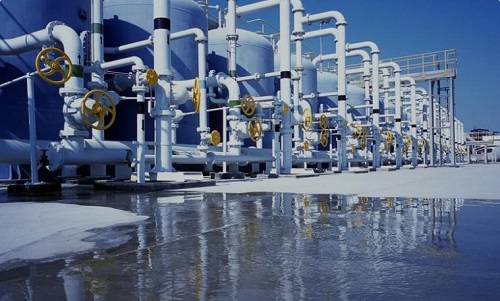
Desalination, the process of removing salt and other impurities from seawater to make it suitable for human consumption or industrial use, involves the use of various types of pipes for different purposes within the desalination plant. Here are the common types of pipes used in desalination:
1. High-Density Polyethylene (HDPE) Pipes:
HDPE pipes are widely used in desalination plants for transporting water. They are known for their durability, corrosion resistance, and flexibility. HDPE pipes are suitable for both above-ground and buried applications and are often used in the distribution of treated water.
2. Stainless Steel Pipes:
Stainless steel pipes are utilized in desalination plants due to their excellent corrosion resistance. These pipes are particularly suitable for carrying brine, a concentrated salt solution separated from the desalination process. Stainless steel ensures that the pipes remain durable and unaffected by the corrosive nature of brine.
3. PVC Pipes:
Polyvinyl chloride (PVC) pipes are commonly used in desalination facilities for various applications, including the transport of fresh water and brine. PVC pipes are known for their cost-effectiveness and chemical resistance, making them suitable for certain sections of the desalination process.
4. Fiberglass Reinforced Plastic (FRP) Pipes:
Additional reading:Gold Plated Brass vs Gold Plated Stainless Steel - Sky Austria
Spiral Round Steel vs Traditional Steel: Which Reigns Supreme?
How to Choose the Right Strip Steel?
10 Questions You Should Know about Sustainable Building Practices
Key Considerations to Keep in Mind When Choosing Cold-Rolled Steel
Unlocking Success: Top Channels for Growing Your Business Fast!
Key Considerations to Keep in Mind When Choosing Recycled Plastic Products
FRP pipes are corrosion-resistant and lightweight, making them suitable for desalination plant applications. They are often used in the distribution of treated water and can withstand the corrosive effects of saltwater and chemicals present in the desalination process.
5. Carbon Steel Pipes:
Carbon steel pipes may be used in desalination plants for specific applications, such as the transport of seawater or brine. However, corrosion protection measures, such as coatings or linings, are typically applied to prevent the pipes from degrading due to the corrosive nature of saltwater.
6. Duplex Stainless Steel Pipes:
Duplex stainless steel, known for its high corrosion resistance and strength, is used in desalination plants where extreme corrosion resistance is required. Duplex stainless steel pipes are often employed in critical areas where other materials may be more susceptible to corrosion.
7. Cross-linked Polyethylene (PEX) Pipes:
PEX pipes may be used in desalination plants for specific applications, such as plumbing within the facility. PEX is known for its flexibility, ease of installation, and resistance to corrosion and scaling.
The selection of pipes in desalination plants depends on factors such as the specific application, the type of water being transported (freshwater or brine), and the corrosive nature of the substances involved. Engineers and designers carefully choose materials that can withstand the harsh conditions of the desalination process to ensure the longevity and efficiency of the piping systems.
High Purity Silica Sand for Solar Cell Market Growth ...
Why Choose Prepainted Galvalume Steel Sheets for Your Projects?
Stainless vs Mild Steel: Key Differences Explained
What are the advantages of brass steel?
What is Medium Carbon Steel Composition and Uses?
10 Facts You Should Know about Sustainable Fashion Trends
10 Facts You Should Know about Advantages of Sustainable Energy
Related Articles
-
What is colored stainless steel - MRS Steel

-
Cold Heading (Cold Forging, Cold Forming) | FINECS Co., Ltd.

-
Exploring the Benefits of Custom Duplex Stainless Steel Coils
-
Is All-Clad worth it? Is it still made in America? Why does it cost so ...

-
Understanding EN 10346 Steel Coils: Key Benefits and Uses
-
Everything You Need To Know To Find The Best how to color stainless steel

-
Discover the Benefits of Custom 3005 Alloy Color-Coated Plates
-
Ornamental Fence: A to Z, and Everything In Between

Comments
0